
 Make A Payment
 Report a Claim
 Check Claim Status
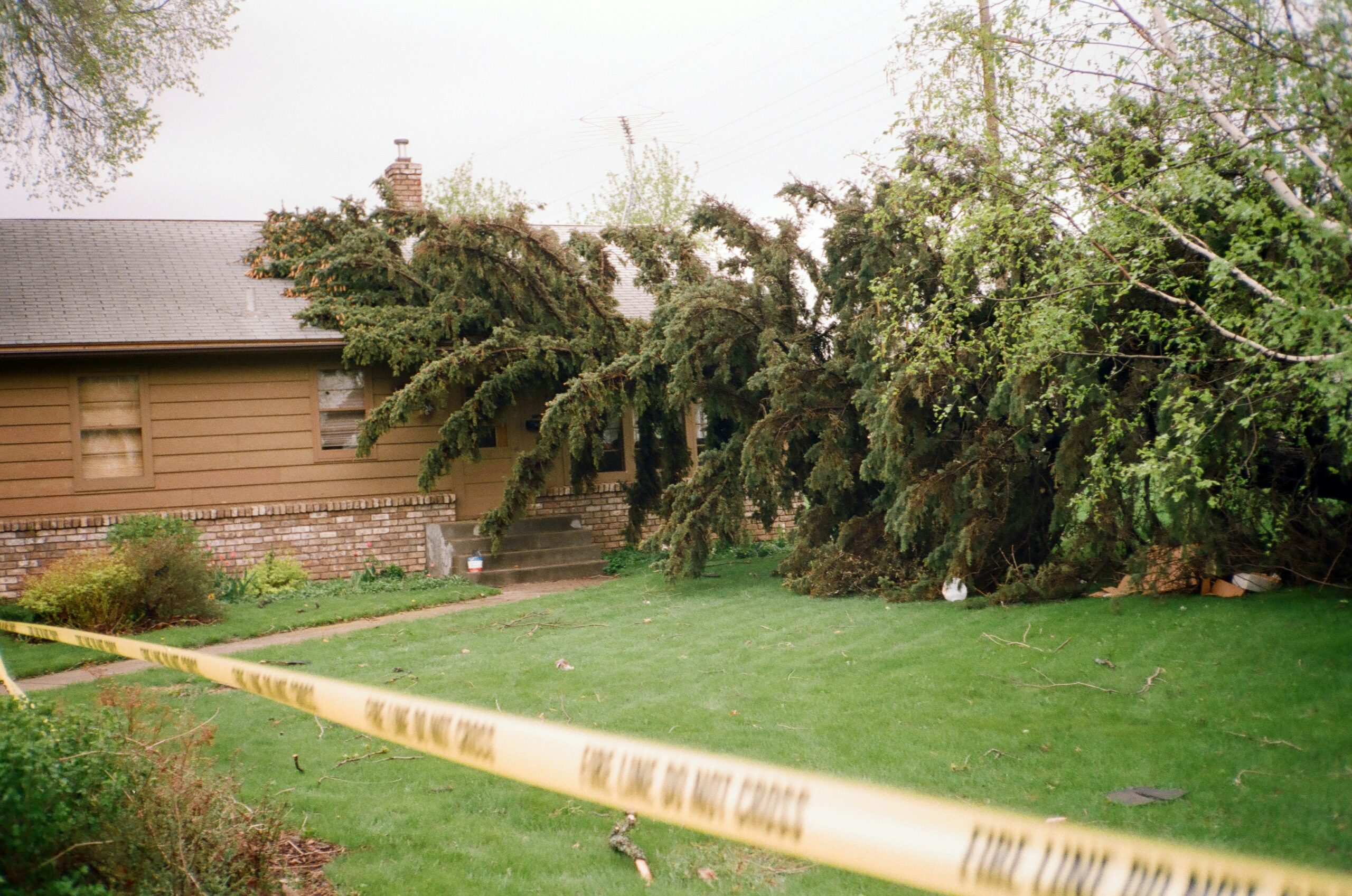
Timely reporting isn’t just good process. Depending on the loss, a late report can put coverage itself at risk and can make the damage impossible to separate.
In a coastal market like Florida, timing isn’t only a question of how smoothly a claim moves. It can determine whether a loss is covered at all. Prompt notice is something the policy requires, and depending on the type of loss, a report that arrives late can fall outside those conditions entirely. Add the practical difficulty of sorting out what damage happened when, and the case for reporting early gets very simple.
Here’s what’s actually at risk when a report waits.
Coverage eligibility is the real stake.
Prompt notice of loss is a condition of the policy, not a courtesy. Depending on the type of loss and the policy’s terms, a claim reported outside those conditional parameters may affect coverage, no matter how legitimate the underlying damage.
Delays make damage impossible to separate.
Water losses are the clearest example. Reported immediately, it’s a water claim. Reported weeks later, mold has usually developed, and mold is treated very differently under the policy, often under a separate sublimit or exclusion. Once the two are intertwined, it can become extremely difficult to determine which damage resulted from the original loss and which resulted from later conditions, creating uncertainty that may affect the policyholder’s recovery.
Causation stays provable.
Wait too long on a wind claim and it becomes a debate over wear, prior damage, or a later storm. Early photos and prompt inspection answer those questions before they turn into disputes.
Mitigation is a policy duty.
Every policy requires reasonable steps to prevent further damage. Report right away, make temporary repairs, and keep the receipts. Damage that worsens during a delay can fall outside what’s owed.
Resources are easiest to secure first.
After a named storm, adjusters, inspectors, and reputable contractors are all in high demand. Clients who report early are ahead of the surge and less exposed to the door-knocking contractors that follow every major event.
Early reporting isn’t about rushing. It’s about preserving coverage and keeping the loss clearly defined while that’s still possible. When a client calls you first and files fast, they’re protecting their own claim.
That’s the standard we hold ourselves to at Cabrillo Coastal, and we’re grateful to partner with agents who help their clients get it right from the start.
FAQs
As soon as it’s safe to do so. Don’t wait to see how bad the damage gets. Prompt notice of loss is a condition of your policy, and a late report can affect coverage.
If you wait a few weeks mold can develop. Mold is treated very differently under most policies, often under a separate sublimit or exclusion. Once the two are mixed together, it can be very hard to tell which damage came from the original loss.
Yes, but only temporary, reasonable repairs to prevent further damage, such as covering a roof opening or stopping a leak. Take photos, save all your receipts, and hold off on permanent repairs until the loss has been inspected.
Take photos and video of all the damage before any repairs. Early documentation helps show what caused the damage and will help the overall claims process.