
 Make A Payment
 Report a Claim
 Check Claim Status
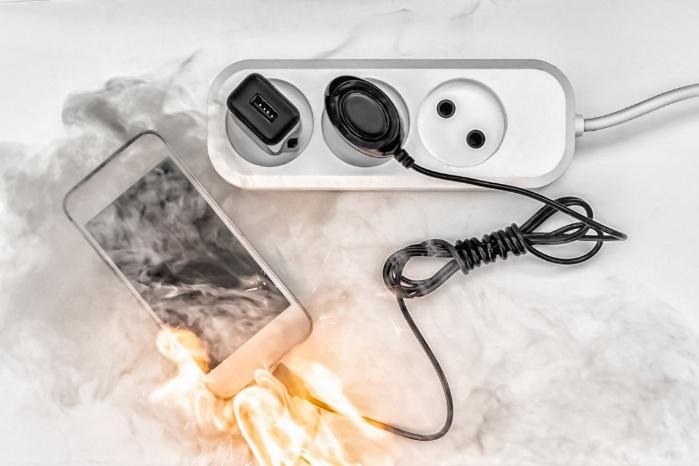
Lithium-ion batteries power everything from smartphones to electric vehicles (EVs). According to research from EV FireSafe, there were 488 light-duty EV fires globally between 2010 and June 2025, of which 393 were verified as lithium-ion battery fires. It’s important to stay safe with smart battery habits, especially during hurricane season. Use the tips below to reduce your risk and protect your property. Stay aware and stay prepared.
Source: EV FireSafe
Proper Storage
For electric vehicles:
- Park EVs away from flammable materials
- When evacuating, avoid flooded routes
- Don’t store EVs in areas prone to flooding
For cell phones and devices:
- Avoid exposing devices to extreme heat
- Store batteries and devices in cool, dry places
- Dispose of damaged or swollen batteries
Inspection and Maintenance
For electric vehicles:
- Schedule regular maintenance
- Watch for dashboard alerts
- Have the battery checked after impact
For cell phones and devices:
- Regularly inspect batteries and devices
- Don’t use damaged batteries
- Don’t drop or puncture batteries
Safe Charging Practices
For electric vehicles:
- Use manufacturer-approved chargers
- Unplug vehicle once charged
- Avoid charging during power surges
For cell phones and devices:
- Don’t charge devices on flammable surfaces
- Avoid overcharging
- Never charge a wet or damaged device
Have a plan
A few smart habits go a long way toward keeping your home and family safe from battery fires. For more safety tips or to review your coverage visit www.cabgen.com.
We also recommend confirming your access to the Policyholder Portal so you’re ready to review your coverage or file a claim. Create or access your account at www.cabgen.com and click “Policyholder Login.”
Stay aware and stay prepared,
Cabrillo Coastal General Insurance Agency
FAQs
No. Avoid storing or parking your EV in areas prone to flooding, and always park away from flammable materials. If you need to evacuate, avoid flooded routes, since driving through floodwater can damage the battery and create a serious fire risk.
Stop using it immediately and dispose of it properly. Don’t continue charging or carrying a battery that’s swollen, cracked, or has been dropped or punctured. Regularly inspecting your devices and batteries for damage is one of the simplest ways to catch a problem before it turns into a fire hazard.
Always use manufacturer-approved chargers, unplug your EV once it’s fully charged, and avoid charging during power surges. The same principles apply to phones and other devices: don’t charge on flammable surfaces, avoid overcharging, and never charge a device that’s wet or damaged.